The History of Alentejo Wines: Tradition, Resilience, and Evolution

The history of wine in Alentejo spans thousands of years, embodying the resilience and adaptability of this unique region. Known for its vast plains and warm climate, Alentejo’s terroir has consistently produced rich, authentic wines that have accompanied generations through prosperous times and challenging periods. Today, Alentejo stands as one of the most recognized names in Portuguese winemaking, offering wines that capture the essence of its culture and tradition.

The Origins of Viticulture in Alentejo
While the exact introduction of the vine to Alentejo remains uncertain, archaeological evidence suggests that wine culture was present even before the Romans arrived. The Tartessians, an ancient Iberian civilization, were likely the first to cultivate vines in the area. Later, the Phoenicians and Greeks expanded wine trade, bringing this culture to new markets.
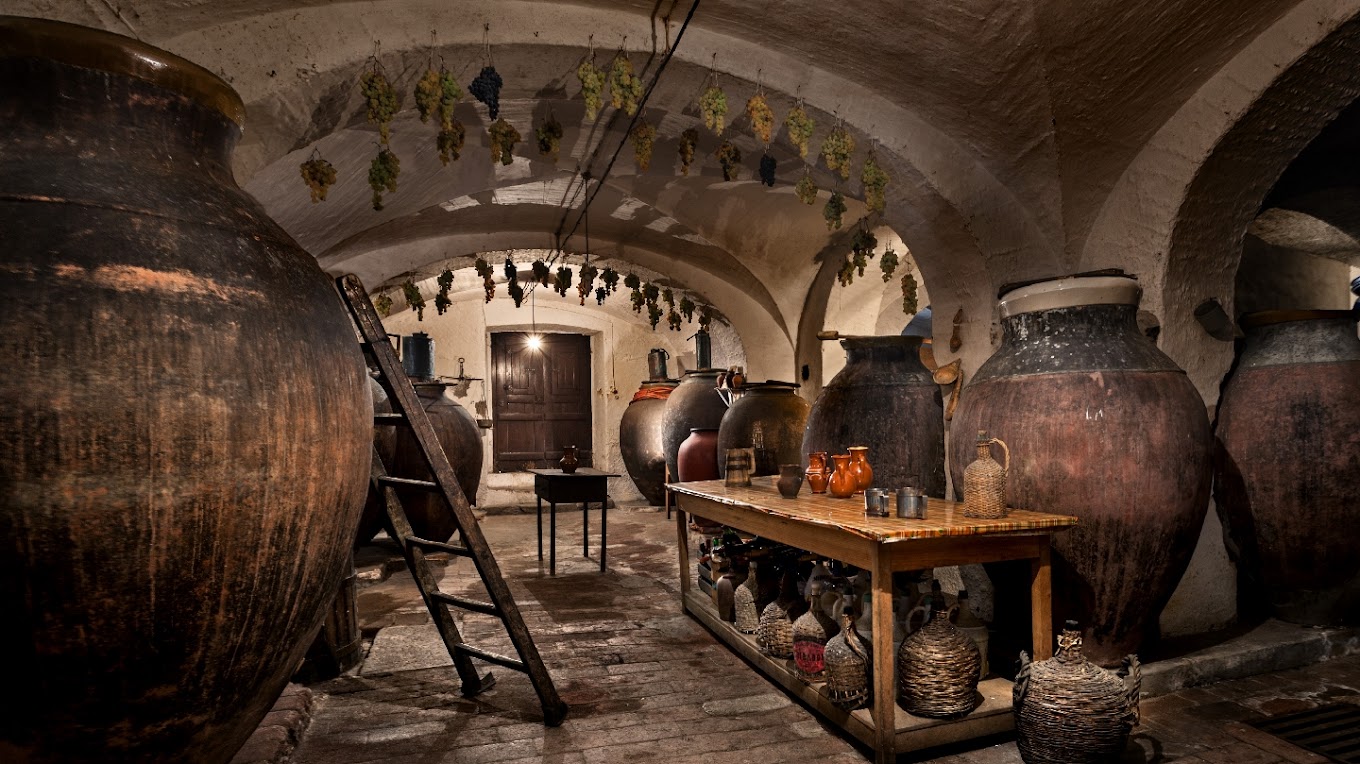
However, it was with the arrival of the Romans that vine cultivation significantly grew, along with production techniques. The Romans introduced practices like using clay amphorae for fermentation and storage—a method still alive today. These large amphorae, sealed with pine resin, remain a hallmark of Alentejan viticulture, symbolizing the people’s deep-rooted connection to wine.

Christianity’s Influence and the Challenges of Muslim Occupation
With the rise of Christianity, wine gained even greater importance, essential for Eucharistic rituals. This further solidified vine culture, despite the challenges of Muslim rule in the Iberian Peninsula. Though Muslims initially allowed wine production, it was gradually suppressed due to the Quran’s prohibition of alcohol. Yet, tradition endured, and with the Christian Reconquest, viticulture once again flourished in Alentejo.

Centuries of Crisis and Renaissance
In the 17th century, Alentejan wines achieved great prestige in Portugal. However, the following century brought a prolonged crisis, with the creation of the Real Companhia Geral de Agricultura dos Vinhos do Alto Douro, favoring Douro wines over others. The 19th century saw some vineyard recovery, particularly when Vidigueira’s white wine from Quinta das Relíquias, presented by the Count of Ribeira Brava, won top honors at the 1888 Berlin Exhibition, with other wines from Évora, Borba, Redondo, and Reguengos also receiving acclaim.
This resurgence was short-lived, due first to phylloxera and later to the Estado Novo policy in the 20th century, which promoted cereal production over vineyards. It wasn’t until the 1970s, with cooperatives and European Union support, that Alentejo regained prominence in winemaking.

Sustainability and Modernity in Alentejan Wines
Today, Alentejo is known for its commitment to sustainable winemaking. The Alentejo Wines Sustainability Program, developed by CVRA in partnership with the University of Évora, embraces a modern and conscious approach to viticulture. This initiative underscores Alentejo’s dedication to preserving the quality and authenticity of its wines while respecting the environment and promoting responsible practices.
With eight unique sub-regions—Portalegre, Évora, Borba, Redondo, Reguengos, Vidigueira, Moura, and Granja/Amareleja—Alentejo offers a range of wines for all tastes. These wines reflect the distinct Alentejan terroir, from intense and aromatic reds to fresh, versatile whites, and talha wines that capture the spirit of Roman tradition. Alentejo is a place where tradition and innovation coexist in harmony, creating wines with a deep, authentic soul.

Explore Alentejo with Alentejo Viti Tours
Discover the rich history and culture of Alentejo with Alentejo Viti Tours. Our experiences include the Family Affair Tour, which takes you to Estremoz, and the Architecture and Wine Tour, visiting the Redondo area—both notable marks in the City of Wine 2025. Join us in exploring the vineyards, wineries, and winemaking traditions that make Alentejo a one-of-a-kind destination.
City of Wine 2025: Wines of Serra d’Ossa – Identity and Future

City of Wine 2025: Wines of Serra d’Ossa – Identity and Future

Portugal celebrates wine as part of its cultural heritage, and in 2025, Serra d’Ossa takes the spotlight, bringing the history and tradition of its wines to the world. The municipalities of Alandroal, Borba, Estremoz, Redondo, and Vila Viçosa have been awarded the title of “City of Wine 2025,” a distinction that highlights the wine-growing importance of this Alentejo region. With the theme “Wines of Serra d’Ossa – Identity and Future – Brands That Leave a Mark,” the event includes a year-long program dedicated to the wines of this terroir and local gastronomy, blending authentic flavors with stunning landscapes.

Serra d’Ossa is a mountain range that provides a special microclimate to the region, directly impacting the vineyards. According to Francisco Mateus, president of the Alentejo Regional Winegrowing Commission (CVRA), both the Borba sub-region in the north and the Redondo sub-region in the south have an ancestral tradition in wine production that has helped shape the identity of Alentejo. The influence of the slopes and temperatures makes each wine from this area a true masterpiece.


Wines of Serra d’Ossa – Borba, Redondo, and Estremoz

Each sub-region has unique characteristics that contribute to the distinct nature of the wines from Serra d’Ossa:

– Borba is known for full-bodied wines with notes of ripe fruits and smooth tannins, thanks to the unique soils with colossal marble deposits among extensive patches of red schist, ideal for red grape varieties such as Alicante Bouschet and Trincadeira.

– Redondo stands out for its elegant wines with a fruity and mineral character that reflects the region’s granitic soils. The climatic variations and terroir of this sub-region contribute to balanced and fresh wines, particularly successful with white grape varieties such as Antão Vaz, and reds like Aragonez and Syrah.

– Estremoz, with limestone-rich soils, provides wines with great structure, especially with grape varieties such as Aragonez and Castelão. These wines have a strong personality and notable aromatic complexity, with notes of black fruits and spices, making them ideal for aging.


Main Events of the City of Wine 2025

The celebration kicks off in January with the Opening Gala in Borba, followed by various events offering a unique immersion into Alentejo traditions:

– Migas Week, in February in Vila Viçosa, is dedicated to migas, a traditional dish that pairs perfectly with regional wines.

– River Fish Festival, in March in Alandroal, where fresh fish from the region can be tasted alongside local wines.

– International Agricultural Fair, in May in Estremoz, brings together producers and visitors to explore local agricultural products and wines.

– Flowered Streets, in August in Redondo, is a tradition where the streets of Redondo are decorated with paper flowers and celebrated with wine and music.

– Capuchos Festival, in September in Vila Viçosa, is an annual event celebrating wine and gastronomy, attracting visitors from various parts.

– Finally, the Vine and Wine Festival, in November in Borba, celebrates the wine harvest and production, with tastings and activities highlighting the region’s wine legacy.

Throughout the year, there will also be wine tastings, courses, exhibitions, and musical performances that express Alentejo culture in various parts of these municipalities.

City of Wine 2025 in Serra d’Ossa offers a journey where tradition, flavor, and landscape merge. Explore this event with Alentejo Viti Tours and dive into the experience of one of Portugal’s most iconic wine regions.


Recommended Tours with Alentejo Viti Tours in Serra d’Ossa

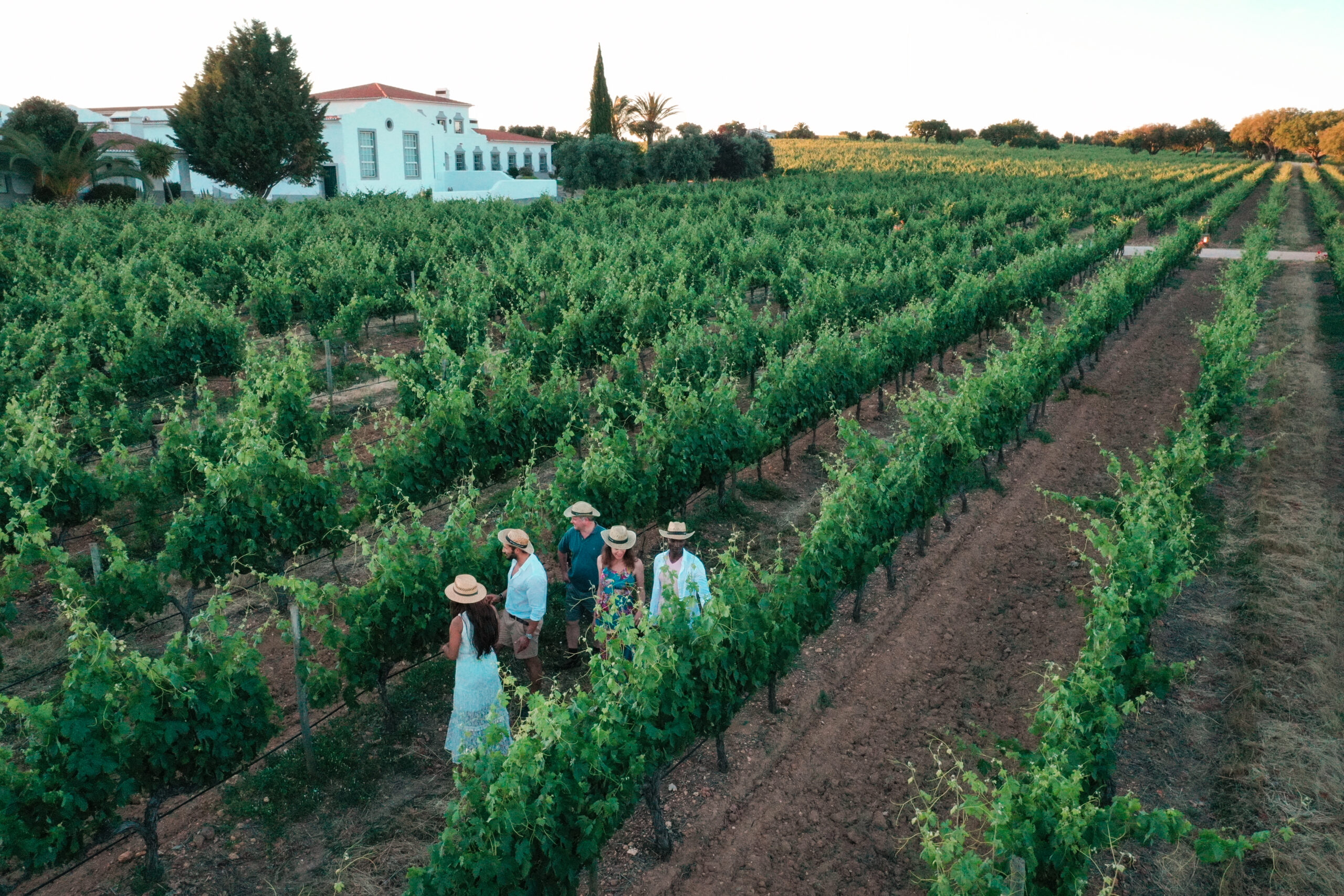
For those seeking a complete and immersive experience of the flavors and landscapes of the City of Wine 2025, Alentejo Viti Tours offers routes that combine the best local history with visits to vineyards featuring stunning landscapes.

– Family Affair Tour – Passing through Estremoz, one of the most iconic cities in wine production in this area, this route offers a unique combination of visits to wineries and vineyards with gastronomic experiences for the whole family.

– Architecture and Wine Tour – The tour of Redondo, a picturesque and authentic village that celebrates wine through events like the Flowered Streets, explores the vineyards and wineries of this area, taking visitors deep into the Alentejo architecture and the stories that make this region a unique destination.